




What Is Uninvolved Parenting?
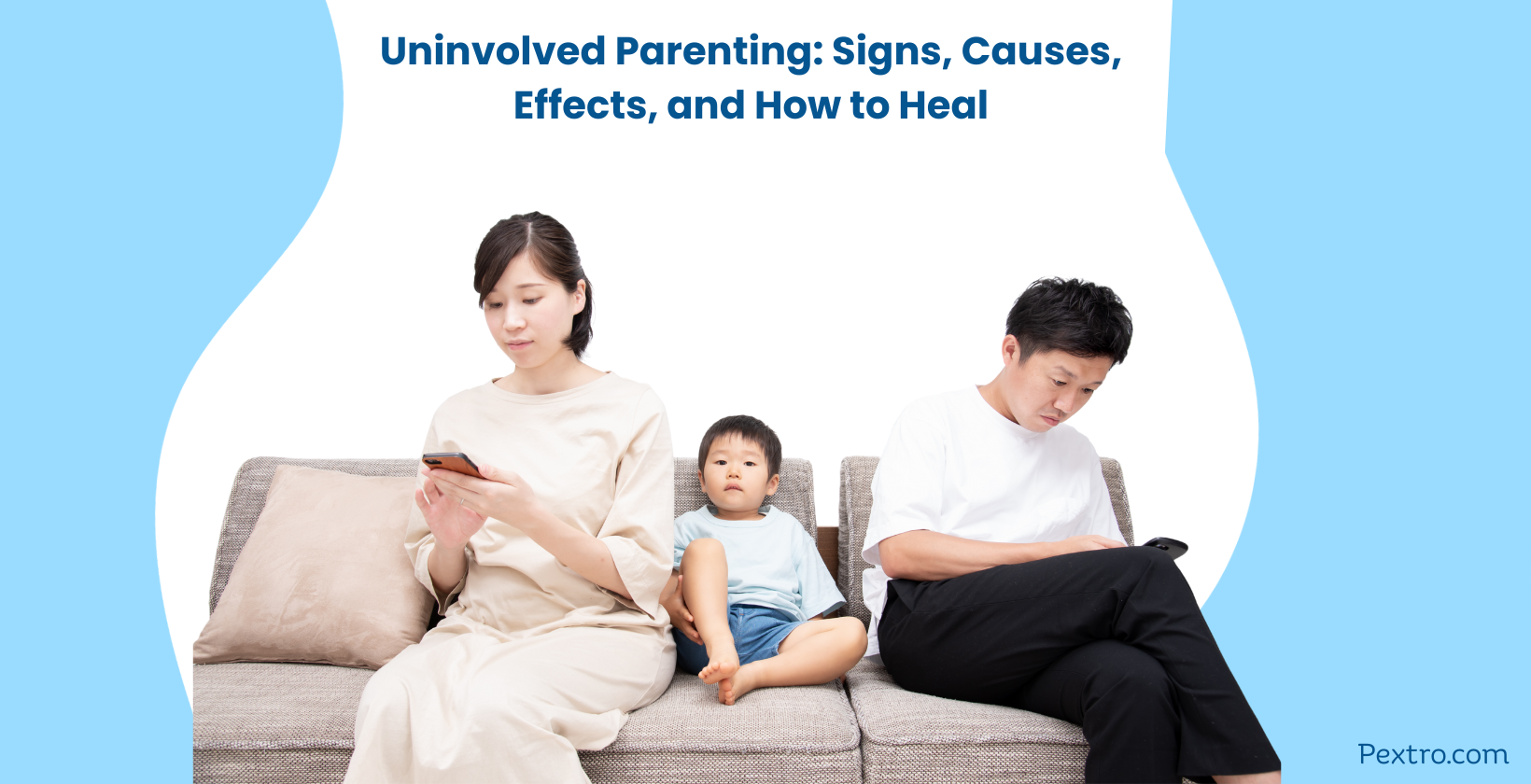
Uninvolved parenting, sometimes called neglectful parenting, is a style where parents show little emotional connection, offer minimal supervision, and provide few expectations or rules. Children raised under this style often feel ignored and unsupported. Unlike other parenting styles like authoritative or permissive, uninvolved parents are distant—physically or emotionally—and rarely participate in their child’s development.
Verywell Mind explains this parenting style in-depth and how it compares to others
Whether it’s due to stress, lack of knowledge, or deeper emotional struggles, this form of parenting can deeply affect a child’s emotional and psychological development. Understanding this style is the first step toward healthier family dynamics and emotional connection.
Characteristics of Uninvolved Parents
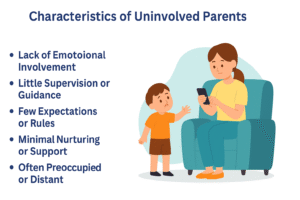
Uninvolved parents tend to be emotionally distant, rarely asking questions about their child’s day, friends, or feelings. They offer little parental involvement in school, routines, or discipline. Unlike authoritative parenting, which sets healthy boundaries, uninvolved parenting creates a sense of emotional neglect. These parents often miss cues that their child needs comfort, guidance, or attention.
Children may have no set bedtime, rules, or clear consequences for behavior. Over time, this lack of supervision and support can lead to low self-esteem, poor emotional control, and difficulties in relationships — all key effects of this parenting style.
🧠 Expert Insight
Developmental psychologist Diana Baumrind identified four core parenting styles: authoritative, authoritarian, permissive, and uninvolved. Uninvolved parenting is marked by low responsiveness and low demands — parents are often disengaged both emotionally and behaviorally. According to attachment theory, children raised this way may develop insecure emotional bonds.
Signs a Child May Have Uninvolved Parents
Children raised by uninvolved parents often show clear emotional and behavioral signs. They may appear withdrawn, overly independent, or crave attention from other adults. Because of emotional neglect, they might struggle with self-esteem, experience academic problems, or show little interest in learning. These children might act out, have trouble following rules, or find it hard to form friendships.
Without parental involvement, they often miss out on important social and emotional skills. In some cases, their behaviors may be mistaken for defiance, when they’re actually coping with the effects of neglectful parenting.
Long-Term Effects on Children
Children raised under uninvolved parenting often face lasting emotional and developmental challenges.
Without consistent love, attention, or parental involvement, these children may:
Develop low self-esteem
Struggle with emotional regulation
Experience trust and attachment issues
Have a higher risk of anxiety, depression, or behavioral disorders
Encounter problems forming healthy relationships as adults
The lack of supervision and emotional support can also lead to academic failure or risky behavior.
Over time, these effects can carry into adulthood, shaping the way they connect with others, view authority, and build their self-worth — all rooted in neglectful parenting.
For example, children from uninvolved parenting backgrounds may show frequent emotional outbursts — learn how to handle 5-year-old tantrums.
The American Psychological Association emphasizes how parenting styles can affect a child’s long-term emotional and mental well-being.
Real-Life Examples of Uninvolved Parenting
Uninvolved parenting doesn’t always look extreme — it often shows up in quiet, subtle ways.
Here are a few real-life examples:
A parent who never asks how their child’s day went, even after school or important events
Children who prepare their own meals every day without guidance
A toddler crying without comfort while the parent remains focused on their phone
Parents who rarely attend school meetings, performances, or even doctor visits
No rules, bedtime, or screen-time limits — children make their own decisions without structure
These examples highlight how emotional neglect and low parental responsiveness shape a child’s environment, even when basic needs like food and shelter are technically met.
Why Do Parents Become Uninvolved?
Uninvolved parenting is rarely a conscious choice. In many cases, parents are overwhelmed or emotionally drained, making it difficult for them to stay engaged with their child’s daily life. Chronic stress from work, financial struggles, or relationship problems can cause parents to shut down emotionally, unintentionally creating a gap between them and their child.
Mental health challenges like depression, anxiety, or past trauma also play a major role — research shows that emotionally unavailable parenting is often linked to unresolved attachment wounds and chronic stress.
Other contributing factors include:
Substance abuse or addiction
Cultural norms that discourage emotional openness
A growing dependency on digital devices, leading to missed cues and lost connection
Understanding these root causes is the first step in shifting from uninvolved to more connected, responsive parenting.
Uninvolved Parenting vs Other Styles
Not all parenting styles are the same — and the differences can have a huge impact on a child’s growth.
Let’s break it down.
Uninvolved parents often miss out on emotional connection and structure. They don’t offer much attention, and there are few rules or expectations. This leaves children feeling lost, unsupported, and emotionally on their own.
Other parenting styles work very differently — and the contrast matters.
Parenting Styles Comparison
| Style | Responsiveness | Discipline & Structure | How It Affects Children |
|---|---|---|---|
| Uninvolved | ❌ Low | ❌ Low | Feels ignored, may struggle emotionally and socially |
| Authoritative | ✅ High | ✅ High | Builds confidence, responsibility, emotional strength |
| Authoritarian | ❌ Low | ✅ High | Obedient but may feel anxious or fearful |
| Permissive | ✅ High | ❌ Low | Feels loved but may lack discipline or boundaries |
Authoritative parenting is often seen as the healthiest style — warm but firm. It helps kids build self-esteem, responsibility, and trust.
Authoritarian parenting is rule-heavy with little warmth. It can lead to obedience, but often at the cost of emotional openness.
Permissive parenting feels loving, but it lacks structure. These kids may feel secure, but they often struggle with limits.
Uninvolved parenting, however, leaves the biggest gap — because children get neither guidance nor emotional support. And that absence leaves a mark.
The Child’s Perspective: What It Feels Like
Children raised by uninvolved parents may not understand what’s missing — but they feel it deeply.
They often grow up with unanswered questions:
“Why doesn’t my parent ask about my day?”
“Why do I have to figure things out on my own?”
Even if their physical needs are met, the lack of emotional support and daily connection can feel confusing, lonely, or even shameful. These children might stop trying to seek attention, bottle up emotions, or assume they are unworthy of love.
Here’s how uninvolved parenting often feels from the child’s point of view:
How It Feels to Be Raised by an Uninvolved Parent
Children raised by uninvolved parents may not understand what’s missing — but they feel it deeply.
They often grow up with unanswered questions:
“Why doesn’t my parent ask about my day?”
“Why do I have to figure things out on my own?”
Even if their physical needs are met, the lack of emotional support and daily connection can feel confusing, lonely, or even shameful. These children might stop trying to seek attention, bottle up emotions, or assume they are unworthy of love.
Here’s how uninvolved parenting often feels from the child’s point of view:
| Area | How the Child Might Feel |
|---|---|
| Emotional Support | Invisible, unimportant, emotionally unsafe |
| Communication | Afraid to open up or unsure how to express emotions |
| Guidance | Confused about right and wrong, left to guess |
| Daily Interaction | Isolated, disconnected, lacking trust |
| Self-Worth | Believes they don’t deserve attention or care |
These emotional wounds can stay buried for years and show up later as insecurity, anxiety, or difficulty forming healthy relationships. The child might learn to survive — but not thrive.
Understanding this perspective is key. It reminds us why emotional availability matters just as much as food or shelter.
Can Uninvolved Parents Change?
Yes — change is possible.
Uninvolved parenting is often rooted in personal struggles, not a lack of love. Many parents simply weren’t shown how to be emotionally present or didn’t have the support to stay involved. But recognizing the pattern is the first — and most powerful — step.
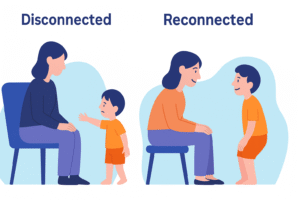
Parents can begin rebuilding their connection through small, consistent actions:
Making eye contact when speaking with their child
Asking simple questions like, “How was your day?”
Creating 10-minute check-ins to listen without distraction
Setting gentle routines and boundaries
Seeking help from parenting groups, therapists, or support systems
Over time, these steps build emotional trust, stability, and connection. Even if the past can’t be changed, the present always offers a chance to show up differently — with presence, empathy, and love.
A loving, connected family can provide the foundation for this change — here’s why family is important.
What To Do If You Grew Up with Uninvolved Parents
Growing up with uninvolved parents can leave invisible scars — even if your basic needs were met. You might struggle to trust others, feel uncomfortable with emotions, or carry self-doubt that seems hard to shake.
But healing is possible. And it starts with understanding that your childhood was not your fault.
Here’s what you can do:
Name what you experienced — emotional neglect is real
Talk to a therapist — especially those trained in childhood trauma or attachment
Set boundaries — it’s okay to protect your peace
Learn to reparent yourself — give yourself the care you never received
Connect with others — support groups or communities can offer validation
Even if your parents weren’t there for you emotionally, you can be here for yourself now. You can break the cycle — and start writing a new story based on awareness, growth, and emotional connection.
What To Do If You Grew Up with Uninvolved Parents
If you were raised by uninvolved parents, you might carry wounds that don’t show on the surface — but they’re there. Maybe you find it hard to trust people, or you second-guess your worth in relationships. You might struggle to express emotions or feel like you always have to handle things on your own.
The truth is, growing up with emotional neglect can shape how you see yourself and how you connect with the world. But it’s never too late to begin healing.
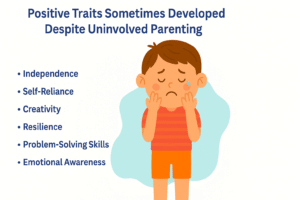
That healing often starts with naming what you experienced. When you understand that your needs weren’t met — not because you weren’t lovable, but because your parents were unavailable — things begin to shift. Talking to a therapist who understands childhood emotional neglect can help you rebuild confidence, set healthy boundaries, and stop blaming yourself.
You can also learn to “reparent” yourself: offering kindness, comfort, and structure that were missing in your childhood. And when you connect with others who’ve had similar experiences, you’ll realize you’re not alone.
Your past may explain your patterns, but it doesn’t have to define your future.
Community and Institutional Roles
When it comes to uninvolved parenting, it’s not just about what happens at home. Communities, schools, and healthcare providers all play a role in recognizing and responding to emotional neglect in children.
Teachers are often the first to notice when something feels off. A child who never completes homework, shows up withdrawn, or acts out regularly might not just be misbehaving — they could be lacking emotional support at home. Similarly, pediatricians and school counselors are in key positions to observe behavioral and developmental red flags that suggest low parental involvement.
Unfortunately, emotional neglect isn’t always as visible as physical abuse, which makes it easier to overlook. That’s why community awareness and training are so important. When professionals understand what uninvolved parenting looks like, they can gently step in, offer resources, or refer families to support services.
Even neighbors, coaches, or extended family members can make a difference just by being present, listening, or helping a child feel seen. Every act of care counts.
Breaking the cycle doesn’t just fall on parents — it’s a shared responsibility. When communities are informed and compassionate, children have a better chance at emotional recovery, even when their home environment falls short.
FAQs About Uninvolved Parenting
1. What is an example of uninvolved parenting?
A parent who doesn’t ask about their child’s day, rarely attends school events, and doesn’t enforce rules or routines may be considered uninvolved. These behaviors signal low emotional responsiveness and minimal structure — key traits of uninvolved parenting.
2. Is uninvolved parenting the same as neglect?
Uninvolved parenting often overlaps with emotional neglect, but they aren’t always the same. While neglect can be intentional or extreme, uninvolved parenting can stem from stress, lack of awareness, or untreated mental health issues. Both can deeply affect a child’s development.
3. How does uninvolved parenting affect a child long-term?
According to attachment theory and child psychology experts, children raised with emotionally unavailable parents often develop low self-worth, difficulty trusting others, and may struggle with anxiety, academic performance, or adult relationships.
4. Can uninvolved parenting be reversed?
Yes. With effort, awareness, and sometimes therapy, parents can re-engage with their children and build stronger emotional bonds. Even small steps — like daily check-ins or consistent routines — can begin to repair connection and trust.
5. What if I grew up with uninvolved parents?
It’s common to feel the effects well into adulthood. Many people work through these challenges with the help of therapists, support groups, or reparenting practices. Recognizing your childhood patterns is the first step toward healing.
🧠 Expert Insight
Leading developmental psychologists, including Diana Baumrind and Mary Ainsworth, have shown that uninvolved parenting contributes to insecure attachment styles, low emotional regulation, and increased mental health risks in later life. Understanding these patterns is key to breaking them — both as a parent and as an adult healing from one.
🧾 Author Note & Disclaimer
✍️ This article was written and reviewed by a parenting content strategist with a background in childhood emotional development and behavioral science. Content is informed by both psychological research and real-world parenting experiences.
📘 Disclaimer: This article is for informational purposes only and is not a substitute for professional psychological or medical advice. For individual support, please consult a licensed therapist or pediatric professional.